
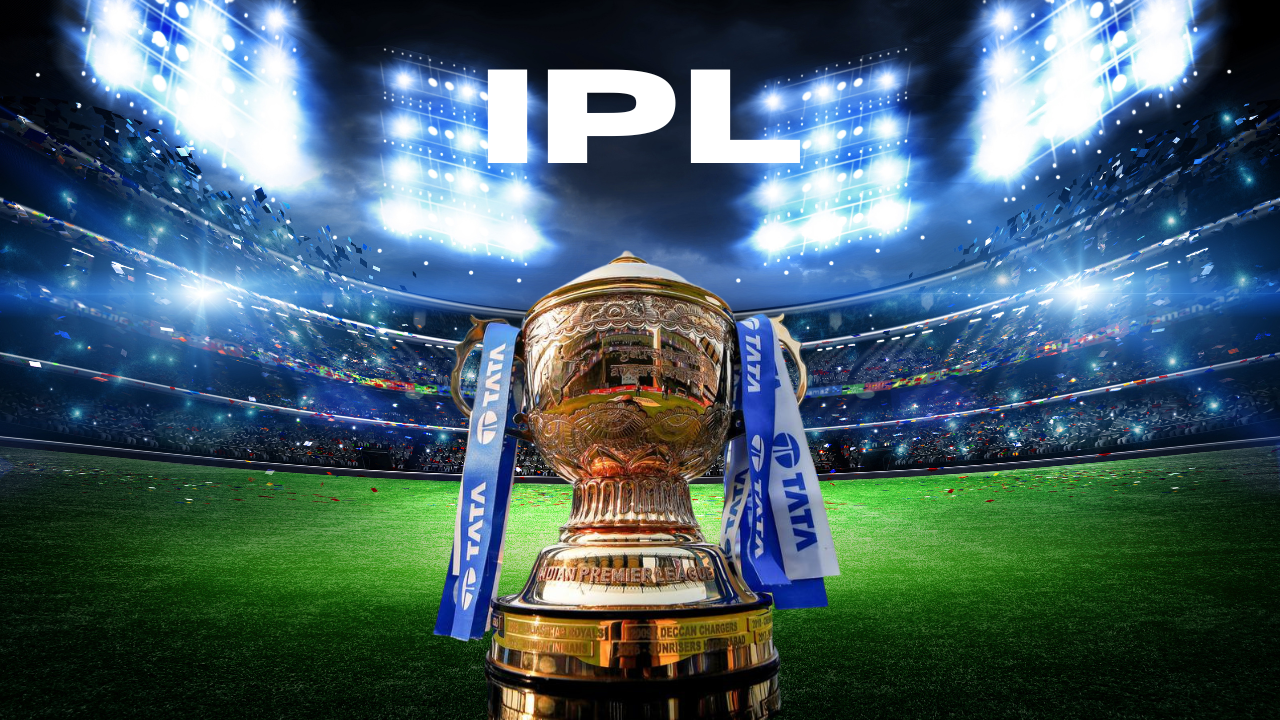

The Indian Premier League has grown far beyond its 2008 launch. It now draws crowds at home and abroad as franchise values climb each season. The league’s financial strength shapes how teams operate on and off the field. Its live match center mirrors this growth by giving users instant score shifts and pace-of-play indicators that make following IPL action more intuitive.
Commercial Strength Reshaping How IPL Teams Operate
Money drives the modern IPL in ways that feel familiar to fans of football or basketball. Broadcast packages, sponsorship layers, and digital match hubs tied to cricket bet tools give supporters a clear view of momentum shifts while helping franchises reach audiences far beyond India. These income streams let teams think and act like global brands rather than local clubs. Its in‑play data widgets support this wider engagement by updating performance metrics in seconds as conditions change.
Here is a short list highlighting revenue streams driving IPL team growth:
- Multi‑billion‑dollar broadcast rights across the 2023–27 cycle
- Sponsorship portfolios backed by international consumer companies
- Merchandise sales linked to expanding overseas fan groups
With this financial base, franchises invest in analytics teams, stadium improvements, and international marketing efforts that build long-term visibility. Fans who track match data through its cricket interface often use a MelBet bonus code to access boosted odds, a flexible betting menu, and structured match‑day promotions that fit naturally into IPL viewing routines. The platform also offers match‑up comparison tools that help users track how individual players influence momentum.
How Player Markets Turn Stars Into Global Assets
Player movement shows how deeply the IPL now influences global cricket, a trend reflected in reports like the recent analysis of rising franchise values on Gulf News. The 2024 auction underlined this again when Mitchell Starc commanded a record fee, and Pat Cummins followed closely behind. These signings give teams high‑impact performers and strengthen their appeal to international audiences.
Indian talent strengthens this pattern, with Yashasvi Jaiswal and Ruturaj Gaikwad using strong IPL seasons to build national-team roles. International overlap adds another layer, with Rashid Khan, Trent Bo, and Kieron Pollard linking IPL teams to audiences across continents. Its player-form timelines give fans a clearer sense of how star performers trend across tournaments.

The IPL’s Global Fan Ecosystem
Fan communities now stretch well beyond India’s borders. Supporters across the Middle East, the UK, Australia, and North America follow matches live through expanded streaming access. Disney Star and JioCinema distribution deals boosted IPL viewership in 2023 and 2024.
Teams respond to this audience by tailoring their digital output, a shift explored in coverage by the Economic Times on how franchises expand beyond cricket through new global-facing ventures such as cafés and branded sports spaces. Mumbai Indians and Chennai Super Kings produce multilingual content to engage wider audiences. These approaches help teams connect with fans who follow the league from different regions. Its multilingual interface supports this broad fan mix by offering region‑specific layouts and simplified navigation.
Overseas exhibition games and academy partnerships extend team footprints beyond the IPL window.
Here is another list showing factors that push IPL franchises toward global brand status:
- Long‑term investments in international training hubs
- Social media strategies aimed at multi‑region audiences
- Partnerships with overseas leagues that extend year‑round visibility
These efforts help teams maintain relevance across markets and build stronger, more durable global identities. Its saved‑markets feature adds convenience by letting users store preferred wager types for quick access during busy match nights.

Why IPL Franchises Resemble Global Sports Brands
IPL clubs increasingly operate like major football or basketball organizations. They prioritize brand expansion, invest in youth talent, and strengthen their presence in multiple markets. The league’s financial stability allows long‑term planning rather than short‑term risk. Its bankroll‑tracking tool also helps users monitor activity across multiple match days with clearer budgeting controls.
Cross‑ownership models reinforce this trend. Groups behind the Mumbai Indians and Knight Riders run teams in leagues in South Africa, the UAE, and the USA, linking IPL identities to cricket calendars around the world. These connections attract sponsors looking for visibility across several regions at once.
This mix of investment, player movement, and strategic marketing fuels a repeating cycle of growth. Its odds‑history charts illustrate how market sentiment shifts over time, mirroring how franchises manage long‑term planning.
What the Future of IPL Branding Looks Like
The IPL’s next stage will likely focus on broader international partnerships, deeper academy networks, and more personalized digital engagement. Teams may expand development programs abroad and work more closely with associate nations.
With steady investment, strong player markets, and shifting digital behavior, IPL franchises appear positioned to remain global sports brands for years to come. As new regions embrace cricket, the league’s financial muscle and worldwide reach give it an advantage over rival competitions.